

‘We’re in the money—but only if we work for it’ – Mayor Fraser
By Laura Longley
Sometime soon America’s rural towns—like Purcellville–will have the opportunity to cash in on the Bipartisan Infrastructure Law’s $1.9 trillion funding package, the largest flow of federal money to the American people since President Dwight D. Eisenhower created the interstate highway system.
Purcellville will be in the running for a piece of the pie. But the funds from this new law will be available only to the states, cities, towns, and rural municipalities that put together compelling proposals that meet the requirements of the disbursing federal departments and agencies. They include Transportation, Interior, Commerce, Energy, Agriculture, Environmental Protection Agency, and the Federal Emergency Management Agency.
The goal of the Bipartisan Infrastructure Law is to rebuild America’s roads, bridges, and rails, expand access to clean drinking water, ensure every American has access to high-speed internet, tackle the climate crisis, advance environmental justice, and invest in communities that have too often been left behind. It also addresses job creation, supply chains, sustainable and equitable economic growth, and improvements to all forms of transportation, including ferry service. (Think White’s Ferry?)
But it won’t be nearly enough for the Town of Purcellville to just raise its hand. Unlike the $10 million the Town will ultimately receive from American Rescue Plan Act of 2021, Purcellville will have to work for the Bipartisan Infrastructure funds.
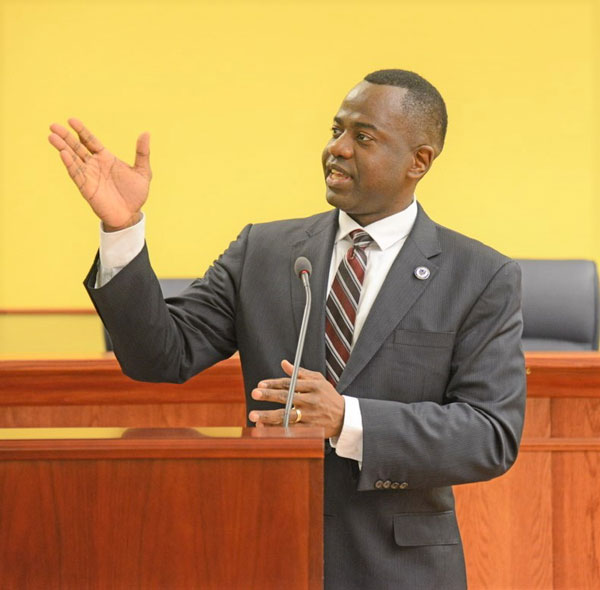
“We need to clear our cups so they may be filled,” Fraser says. “We need to position our staff to work just on the things that are important in bringing money back to the Town. Our wastewater and water treatment plant are critical infrastructure items, and the folks who are running them and keeping our Town safe are doing a wonderful job and should keep on doing it. All other administrative tasks should be focused on going out and getting grants to bring back to our community.
“We need to position our staff to work just on the things that are important to bringing money back to the Town,” Fraser adds. “It’s not ‘Let’s get it here and then spend it.’”
More than 60 percent of the $1.9 trillion Bipartisan Infrastructure funds will be distributed via formulas to states and other recipients while a subset of the remaining funds will be available directly to communities via discretionary grants. A number of programs have specific portions of formula funds or competitive grants that are reserved for rural and disadvantaged communities. The federal government will either distribute funding directly to communities or to intermediaries, like states.
Time is of the essence, Fraser emphasizes. On May 13, for example, the Department of Commerce’s National Telecommunications and Information Administration released the guidance on the grant process for the $45-billion broadband investment program. This is the program intended to fund a broadband infrastructure that will provide high-speed internet access in rural areas, such as western Loudoun County. Congress gave states the power to determine which projects to fund.
“That’s a concern for a lot of municipalities,” Fraser points out, “because once that money touches the state, the state could prioritize its own needs, and the local municipalities may never see that money. We need to get up to speed quickly.”
Finding those programs that apply directly to rural municipalities, however, will require digging. For example, the Department of Agriculture has established an “engagement strategy” to access the $1.9 billion in loans, grants, and other funds available directly to local governments as well states, Tribes, cooperatives, and nonprofits to build infrastructure and install equipment. Applications for these loans and grants will open in the third quarter of 2022, i.e., very soon.
To help towns like Purcellville apply for and succeed in acquisition of funds, the key participating federal departments and agencies have prepared an essential guide: the Bipartisan Infrastructure Law Rural Playbook: A Roadmap for Delivering Opportunity and Investments in Rural America.
Nonprofits are also stepping up to help. Bloomberg Philanthropies, which encompasses all the charitable giving of founder Michael R. Bloomberg, along with the Emerson Collective, the Ford Foundation, and the Kresge Foundation, will be launching a Local Infrastructure Hub on July 1.
Bloomberg emphasizes urgency. “Over the next 24 months, local governments will be sorting through roughly 400 programs that are designed to aid everything from ports and parks to rural broadband and green buildings, all of which impact the well-being and livelihood of communities across the country. But the fact is: many cities and towns don’t have the staff to identify all the funding that may be available to them. And,” he adds, “once they figure out which funding they are actually eligible for, they don’t have the capacity to complete the necessary applications.”
Bloomberg’s comment speaks directly to Fraser’s point that the time is now to dedicate the Town of Purcellville’s administrative staff to researching and applying for those Bipartisan Infrastructure Law programs that will secure the Town’s health and economic welfare in the decades to come.
The Infrastructure Hub will be delivered by the U.S. Conference of Mayors, National League of Cities, and Results for America, a national organization focused on helping government decision makers use data and evidence to drive results.
The Hub’s assistance will come in a variety of forms. This summer the U.S. Conference of Mayors and Results for America will launch a series of webinars to help cities identify the grant opportunities that align with community needs, to get guidance about application criteria and timeframes, and to learn about infrastructure innovations and emerging best practices. The Hub will also help cities think ambitiously about how to spend these grants on opportunities to advance innovative solutions to problems that are increasingly urgent in American cities, especially narrowing racial wealth disparities and cutting the pollution that causes climate change.
The National League of Cities, in which Fraser actively represents Purcellville, will offer technical assistance to help small towns and mid-size cities develop strong applications that are grounded in data, feature detailed project plans, and include relevant policy objectives.
There is no doubt the support for rural communities is available. The question for this community is, Will the Town of Purcellville seize the day?
“Now is not the time to be complacent,” says Mayor Fraser. “With the passage of the Bipartisan Infrastructure Law, there’s a lot more money out there that we don’t want to miss out on.”
Continue reading in this news section
Comments
Any name-calling and profanity will be taken off. The webmaster reserves the right to remove any offensive posts.