


Field trip is a successful parents-school collaboration

Field Trip Photography by Christi Porter
By Laura Longley
It’s fair to say it’s been a rough couple of years for Loudoun County Public Schools and the parents who want more of a say in their children’s educations. We share this story of a 5th grade field trip as a case study in how parents, a teacher, a principal, a librarian, LCPS administrators, the students themselves, and a whole village of history lovers together can create a valuable learning experience. The village is Lincoln, at the crossroads of Sands, Foundry, and Lincoln roads, about two miles south of Purcellville. It was founded as Goose Creek in the 1730s.
It was 5:30 on a winter morning when two Lincoln Elementary School parents of 5th graders headed off to the gym—the only spare time they could find between family, professional, and community obligations
Christi Porter recalls it this way: “Harriet Wegmeyer and I were in the car headed to the gym and praising all things Mrs. Voce”—Renee Voce, Lincoln’s 5th grade teacher—”and how grateful we are to have her at Lincoln. We waxed poetic about her having the kids plant window boxes at the 5th grade cottage, work on learning local Lincoln history, and visiting Mrs. Cook with their history questions.” (Helen Cook, 98, is the beloved retired school cook, a font of Lincoln lore.)
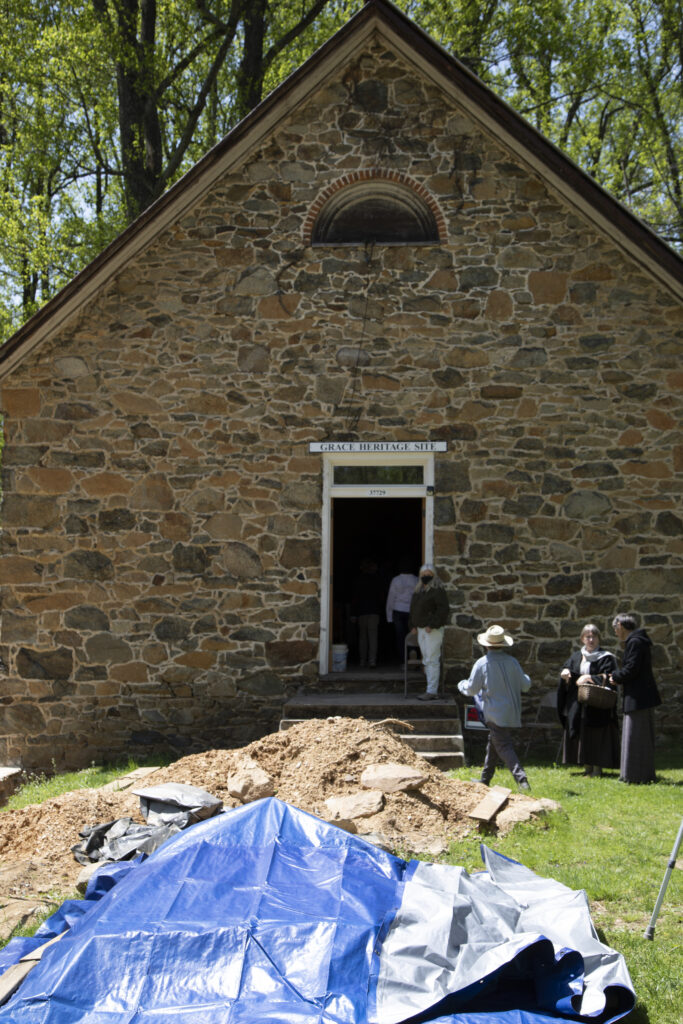
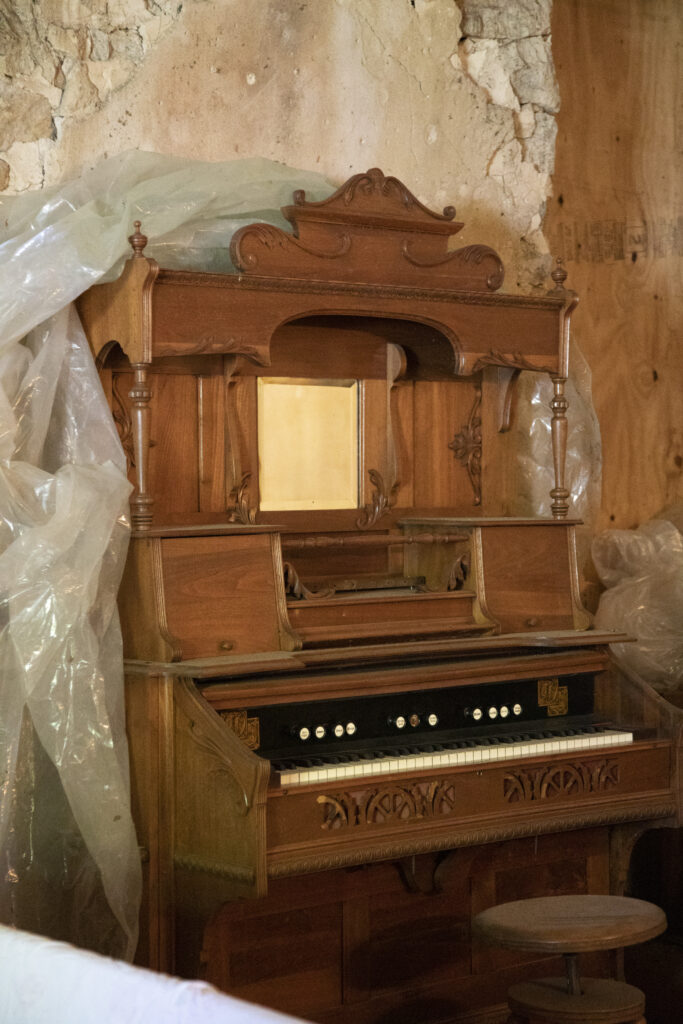
Christi went on, “I said something like ‘We should arrange a little walking field trip for the 5th grade class to Grace Church’”—the 1885 African American church now undergoing renovation. “‘We can do even more,’ said Harriet. ‘We could do a wagon tour of the historic Lincoln Loop walking tour.’ We emailed Mrs. Voce with our idea. The wagon was denied, but a bus was approved, and the next thing Harriet and I know is we’re off and running
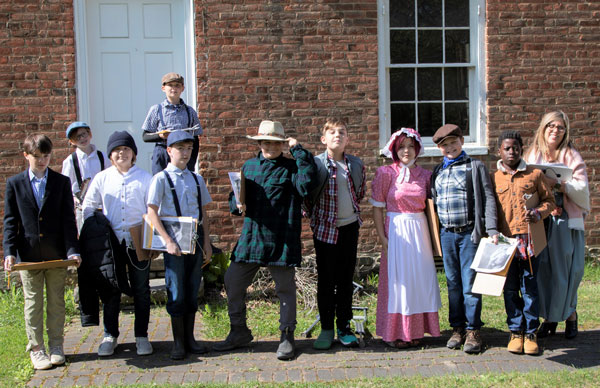
Photo by Christi Porter
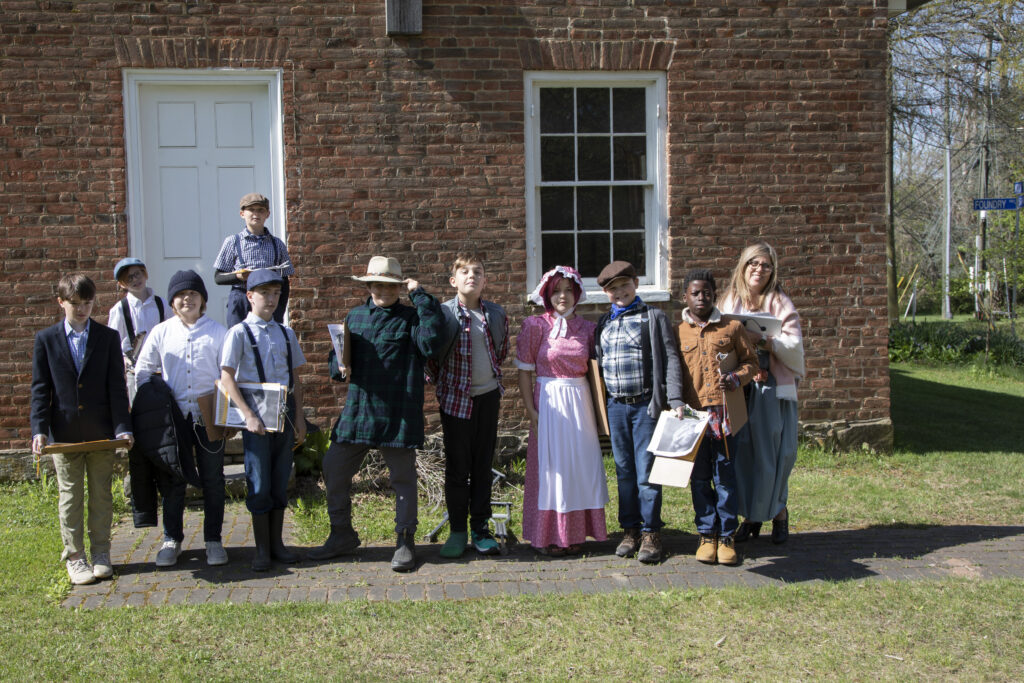
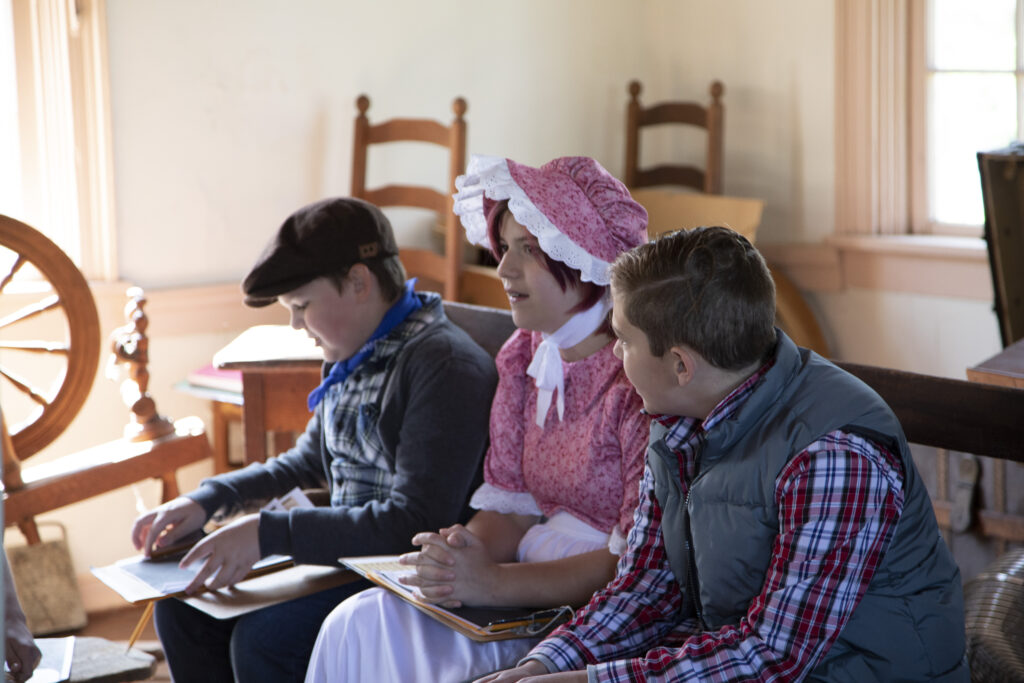
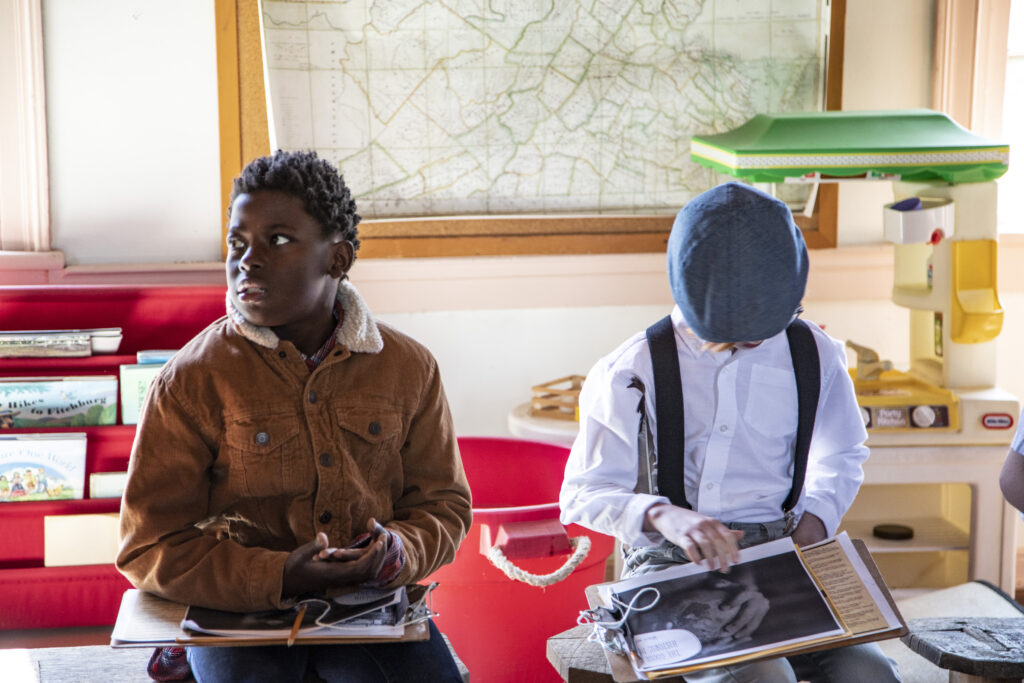
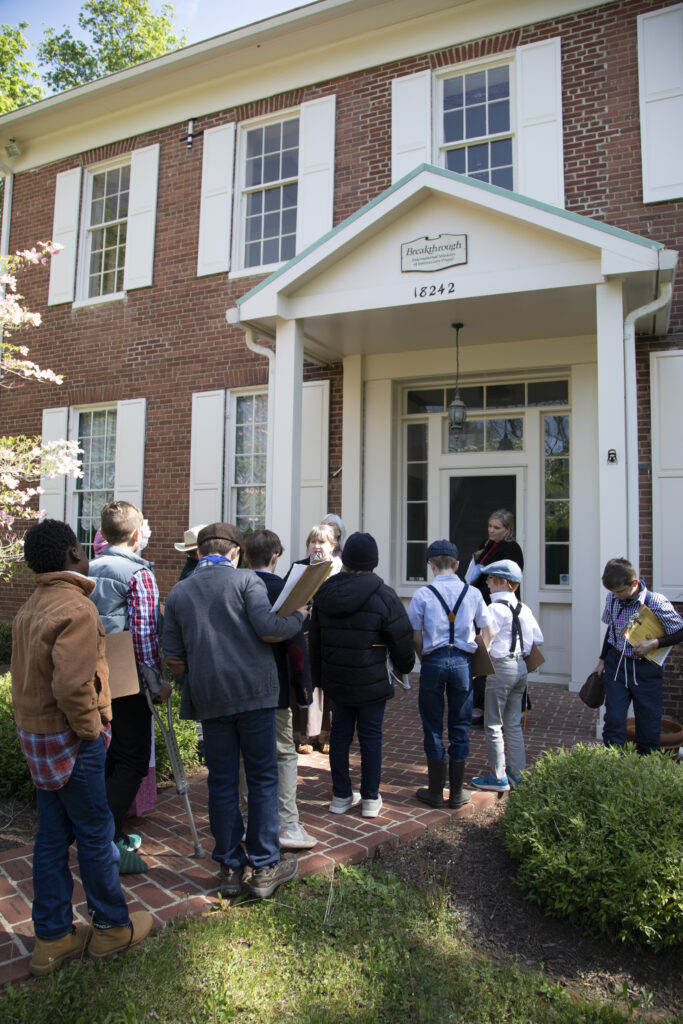
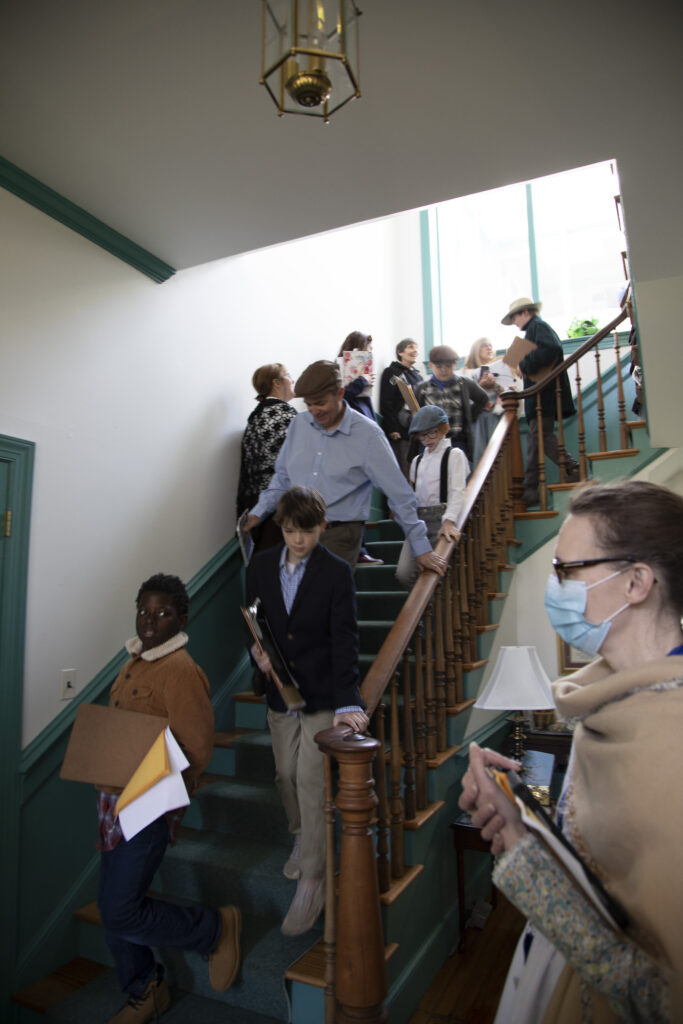
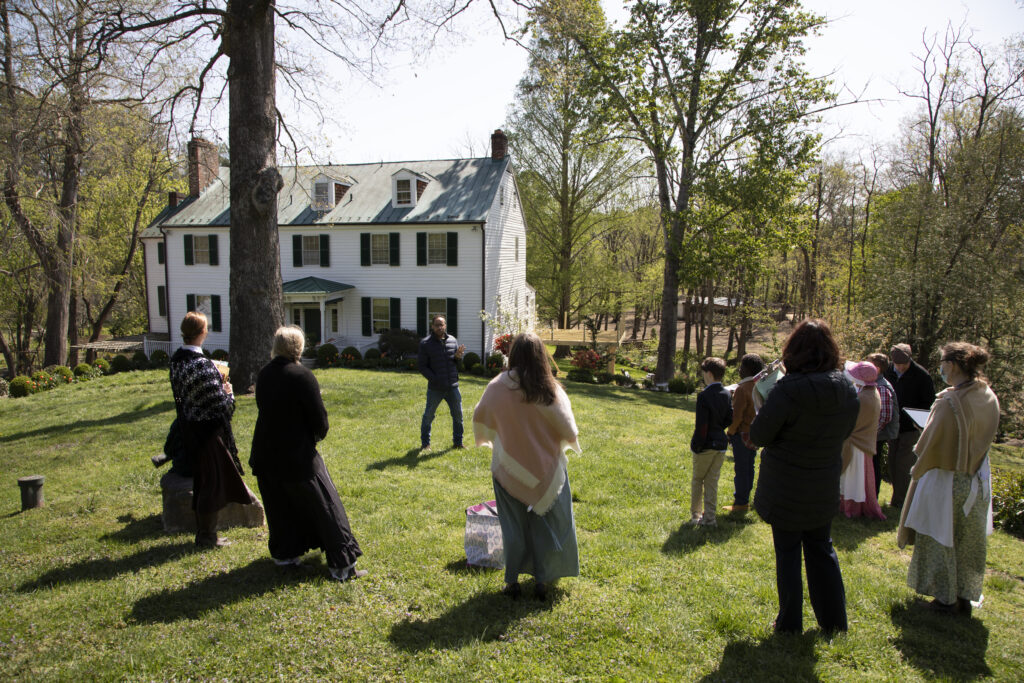
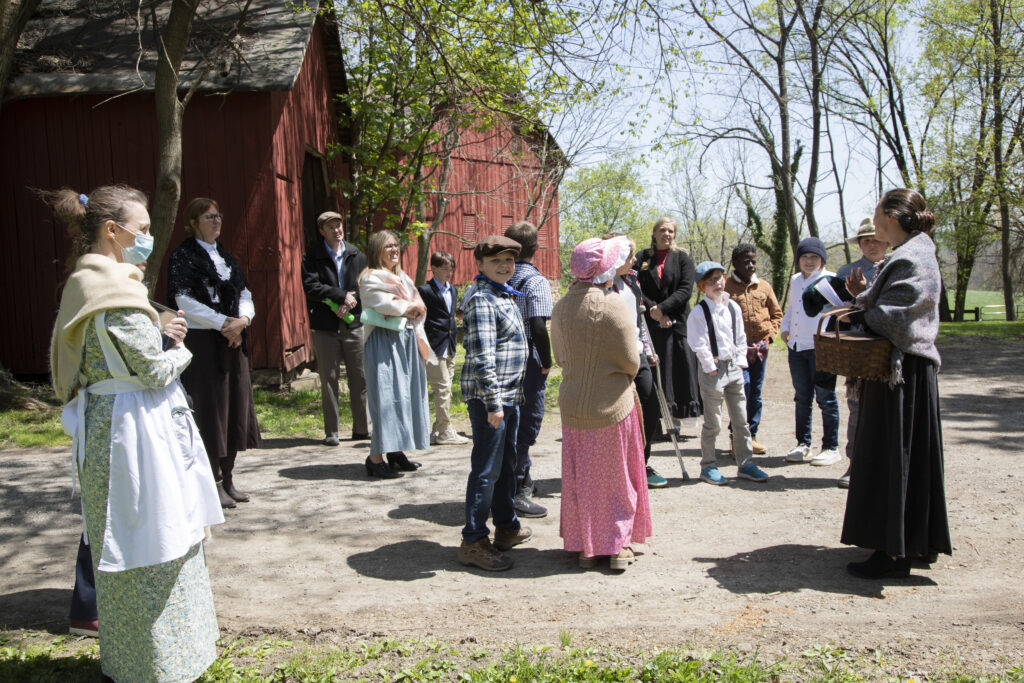
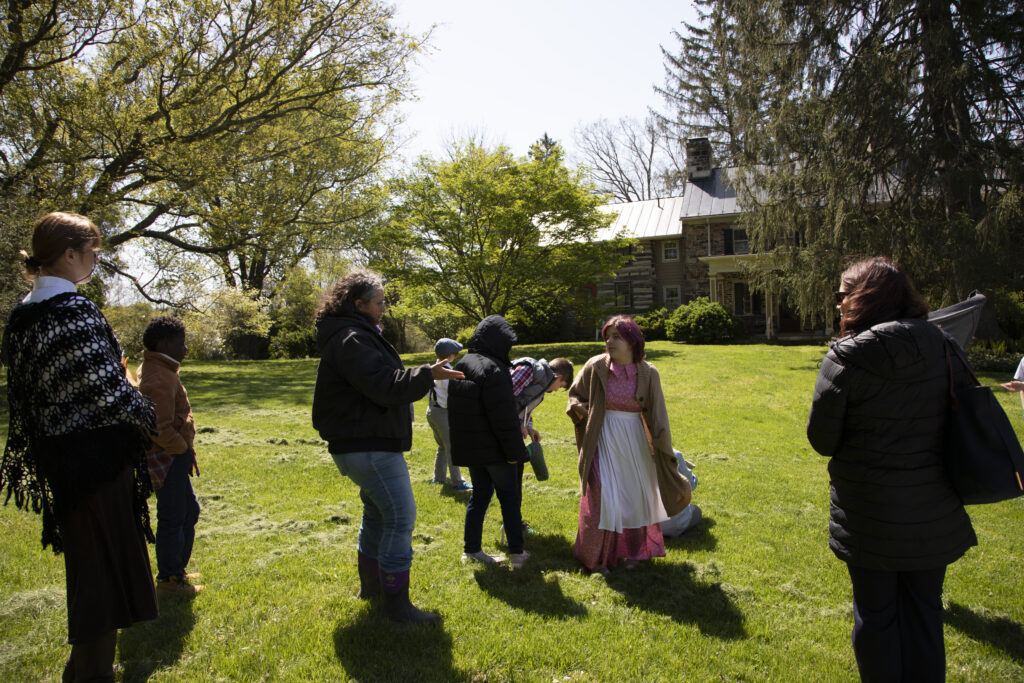
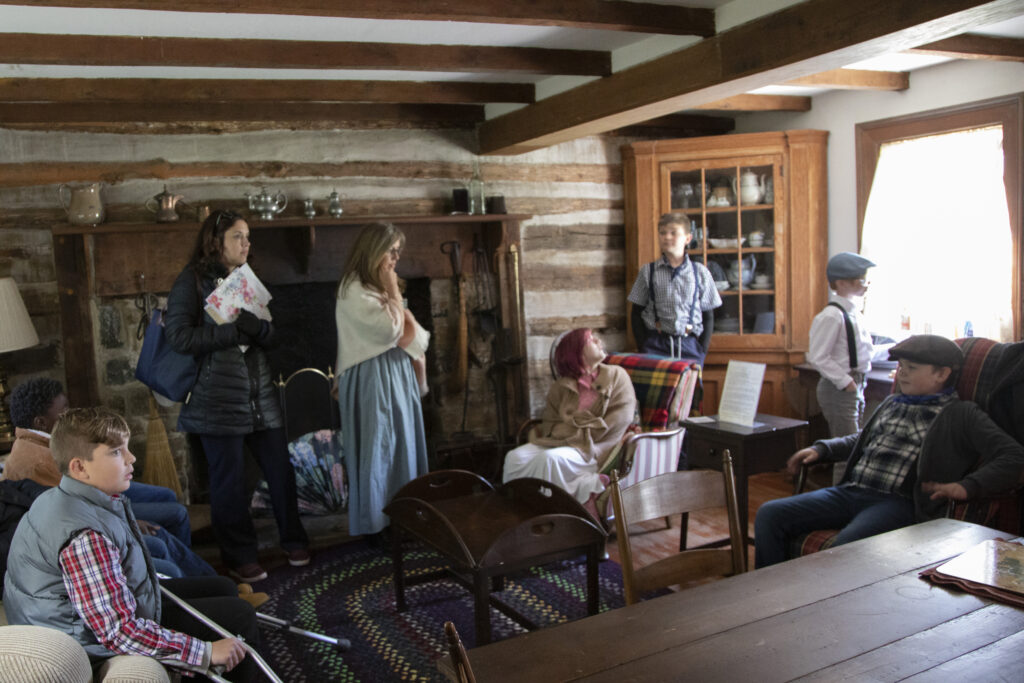
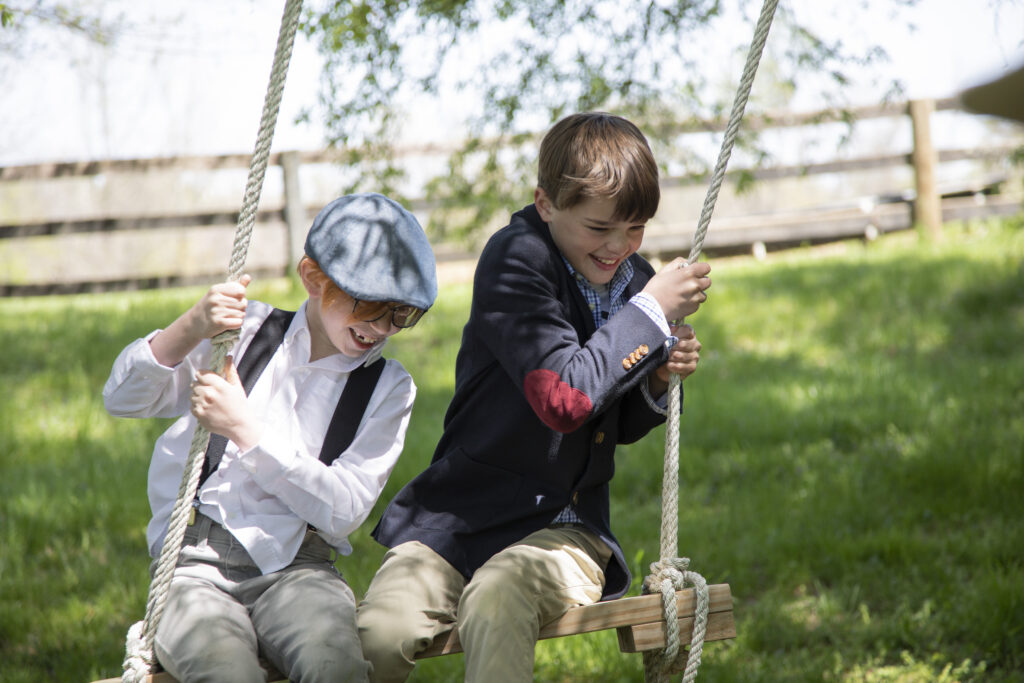
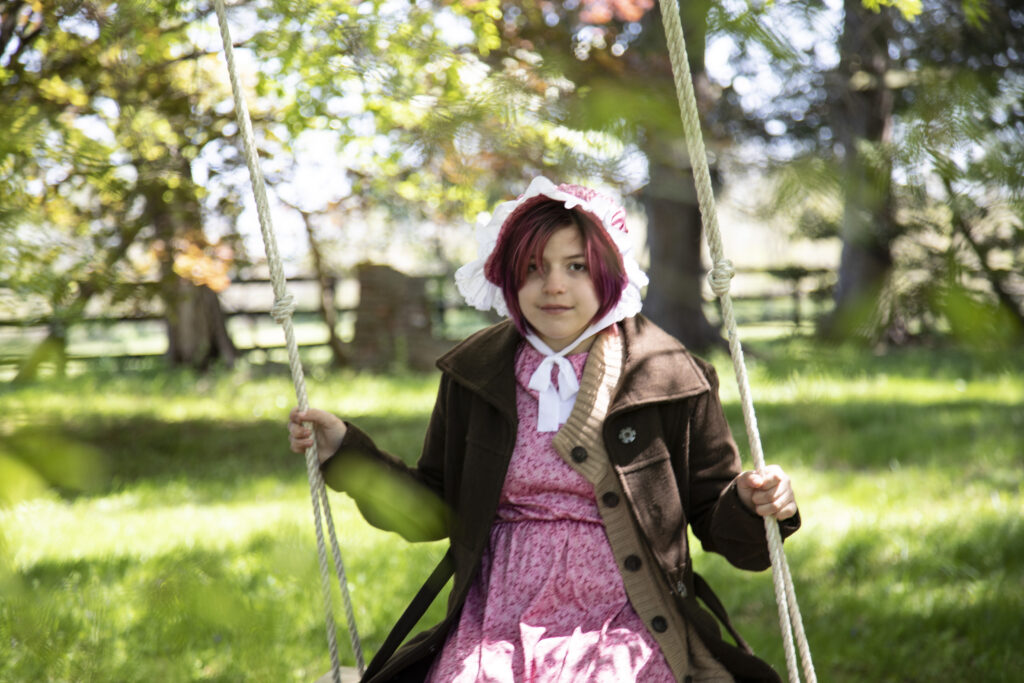
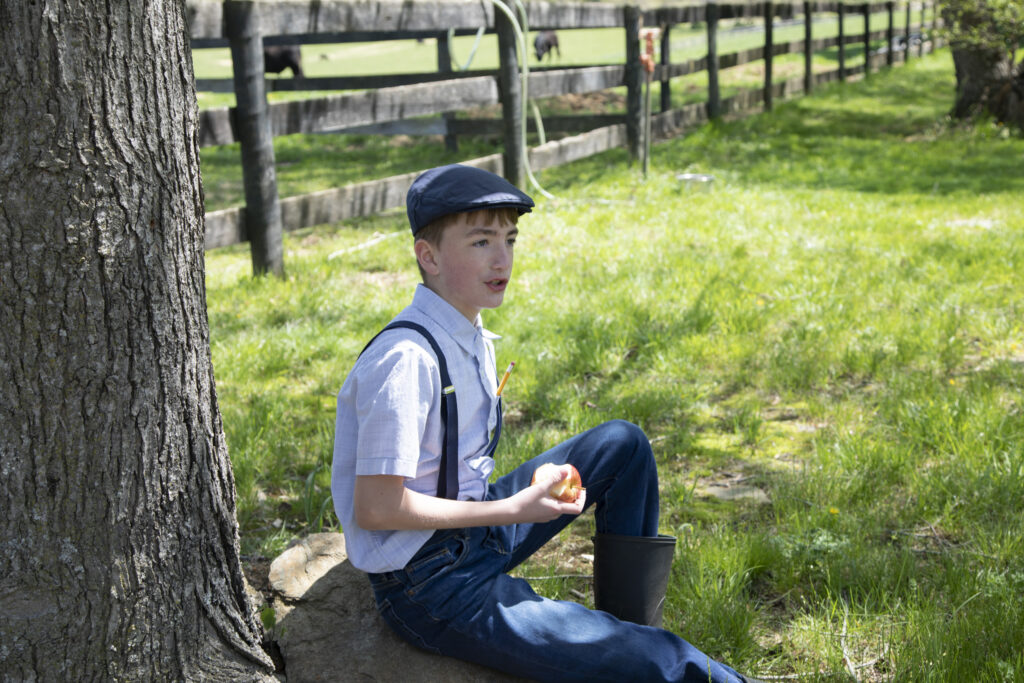
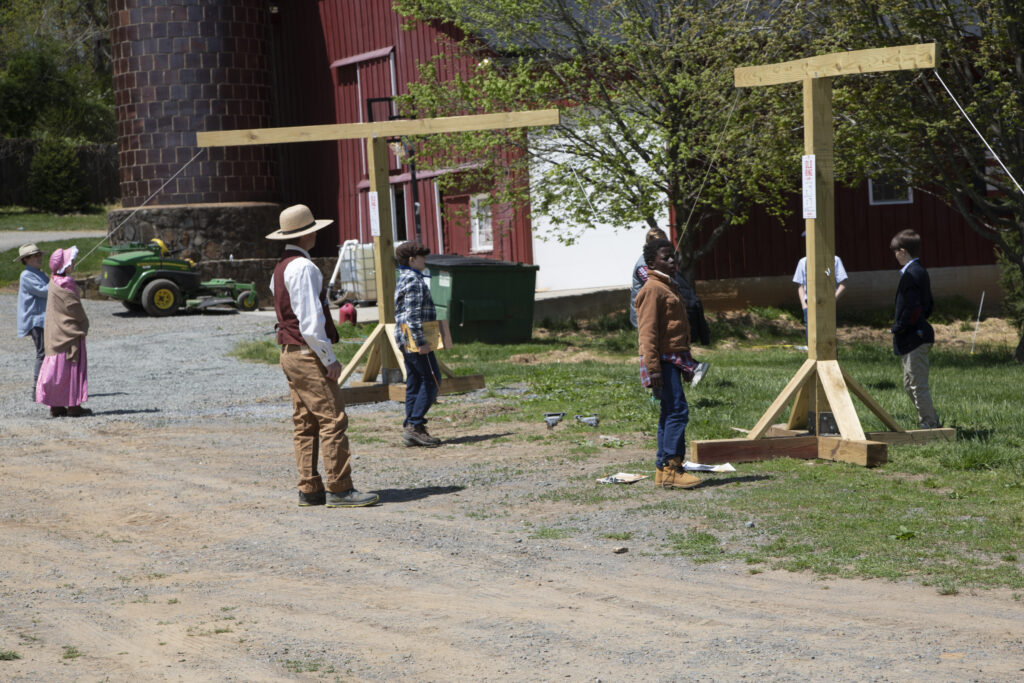
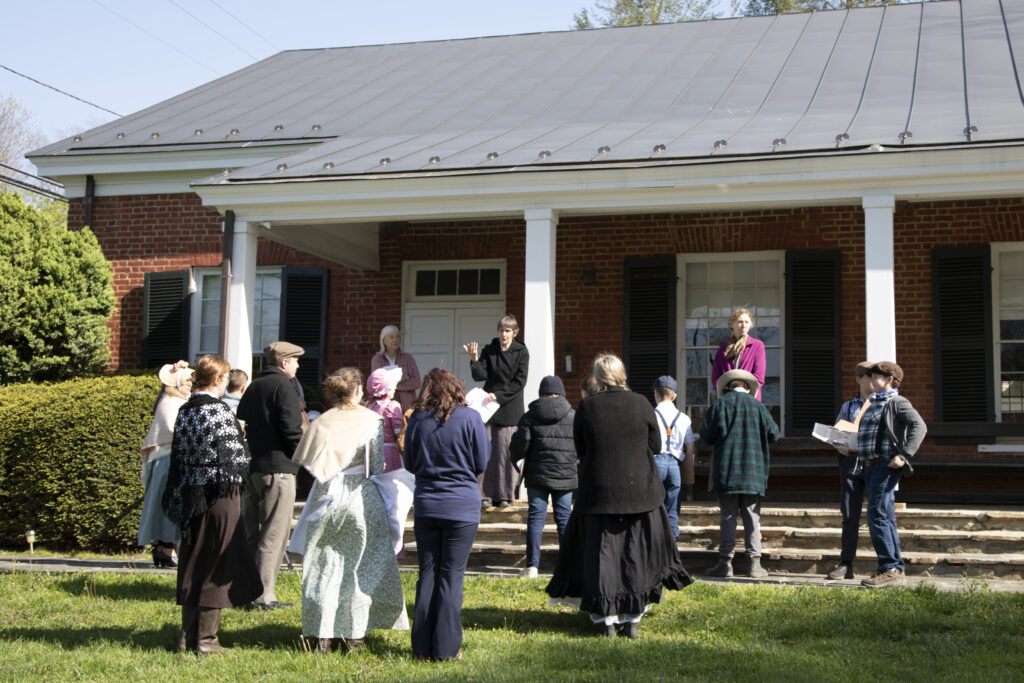
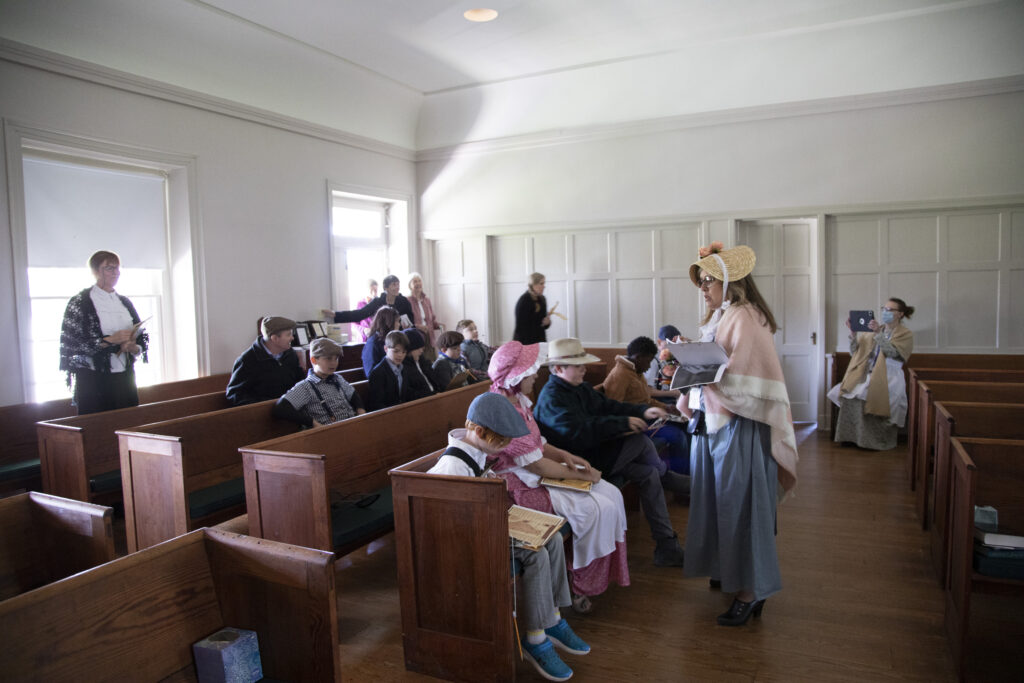
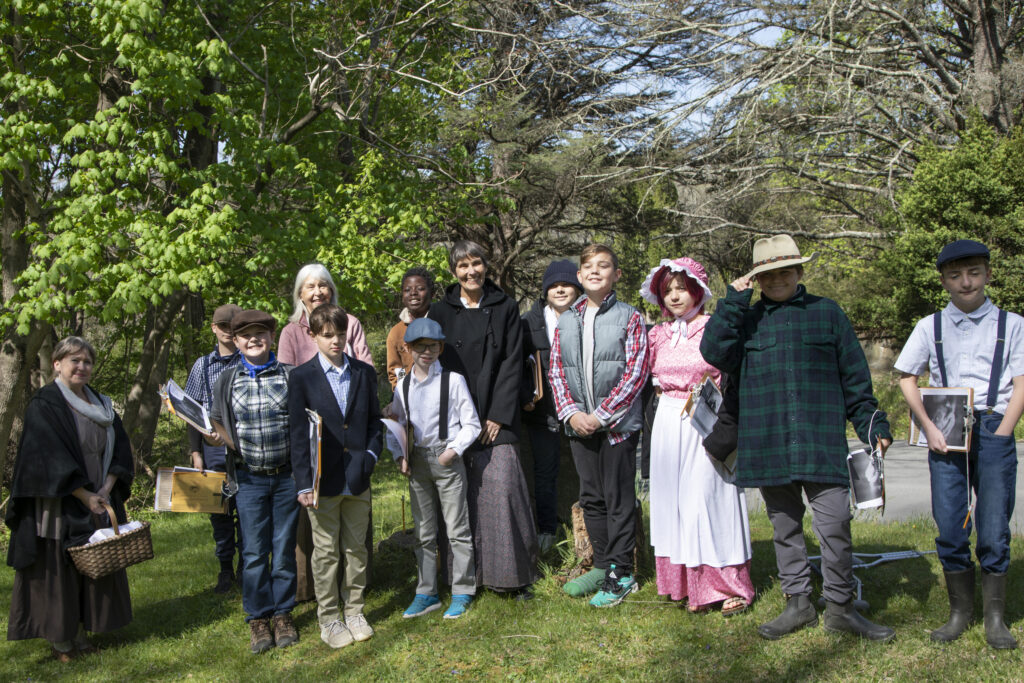
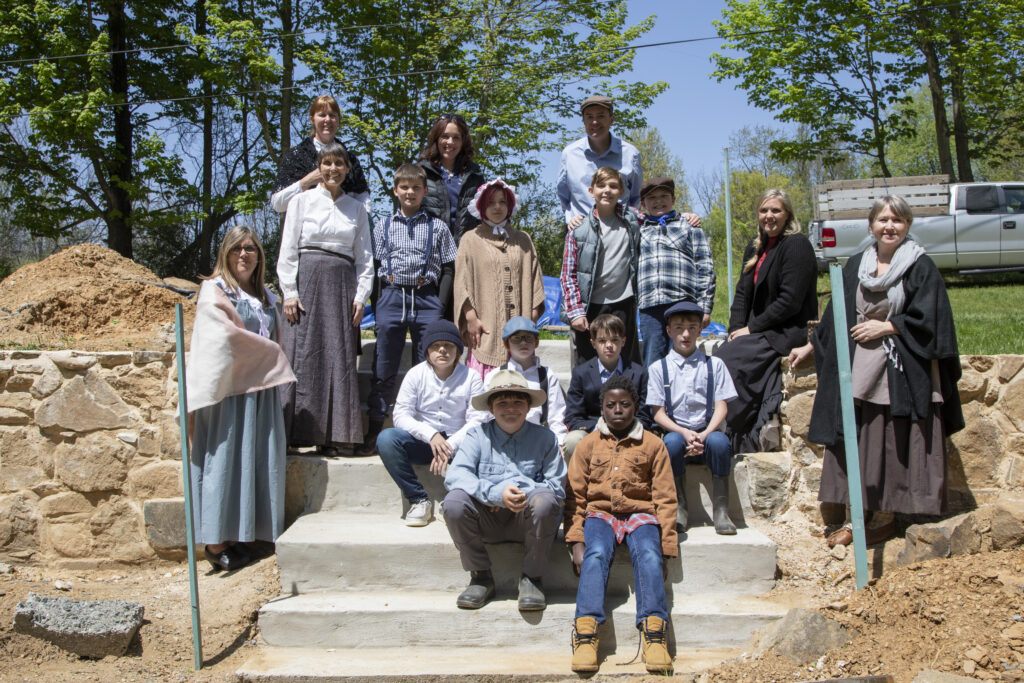
“We had in mind a tour with activities and docents at every stop. We decided to return to the tradition of wearing period clothing and packing the traditional lunches. The three of us —mostly, Harriet and Mrs. Voce and I— reached out to the members of the Lincoln Preservation Foundation and local farm owners to see who would be willing to open their homes and barns and share Lincoln’s history.”
Meanwhile, Mrs. Voce had given full responsibility for the research and writing. “I became more of a facilitator,” she explained. “That way they were teaching each other.”
After Mrs. Voce and Dave Michener, principal, approved the parents’ plans, Christi and Harriet started working on activities and learning materials. “I put together Guess Who? and I Spy games and created a presentation of all the locations with a short overview of information for each,” said Christi. “Mr. Michener invited LCPS staff Danyael Graham and Andria Donnelly, parents signed the permission forms, and Harriet talked me into wearing a hoop skirt, which was at odds all day with the bus stairs.”
The sites the parents, teacher, and students chose covered the educational, spiritual, economic, racial, and social history of Lincoln, originally called Goose Creek. The residents—the Quakers of the Goose Creek Meeting—renamed the village Lincoln shortly after the president’s election.
Among the stops for the 5th graders was the 1815, one-room Oakdale School, where black children living on Quaker farms attended school with whites—the first instance of school desegregation in Loudoun.
The students explored another school—a boarding school for girls called Springdale that was the home of the prominent Quaker educator and abolitionist Samuel M. Janney. Springdale is thought to have been a stop on the Underground Railroad with its secret spaces that could have provided shelter for African Americans escaping slavery. Later, Springdale would serve as a hospital for soldiers on both sides of the Civil War. Some carved their initials in the floorboards on the third level.
One more school deserved a visit: the two-room Lincoln Graded School (all ages). Built in 1879, it served briefly as a high school but is best known as the former Lincoln Elementary School, which operated on this site between 1915 and 1955.
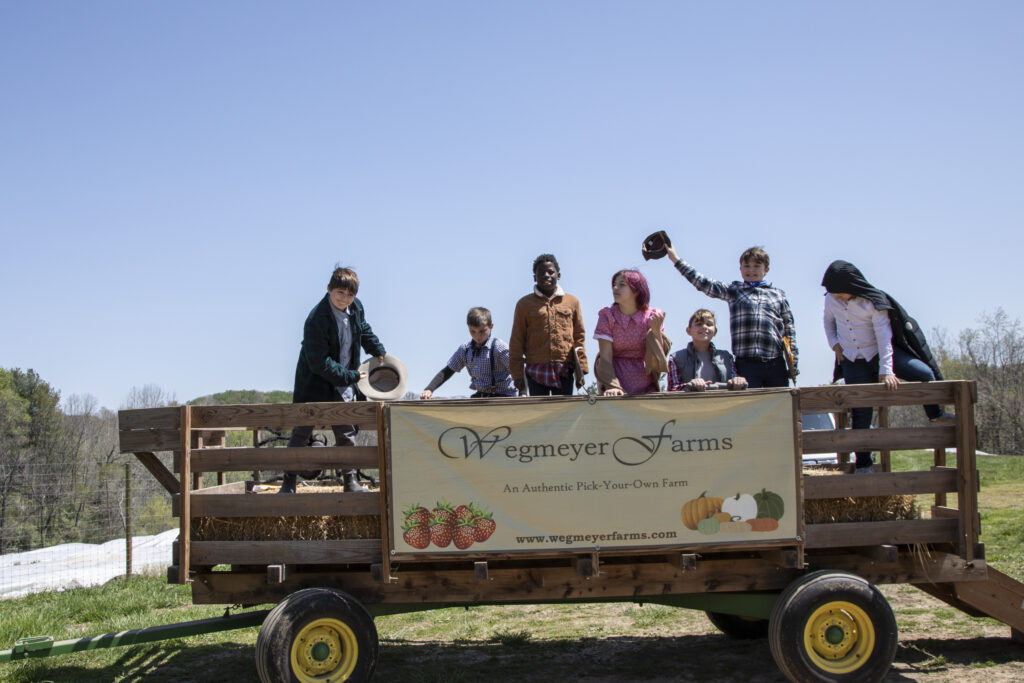
The children visited three farms near the village, including the Smithson-Nichols farm, the Wegmeyer Farms, a pick-your-own strawberry and pumpkin farm, and Oakland Green, a 200-acre working cattle farm that dates to the 1730s. Ten generations of the Brown family have lived here and farmed this land.
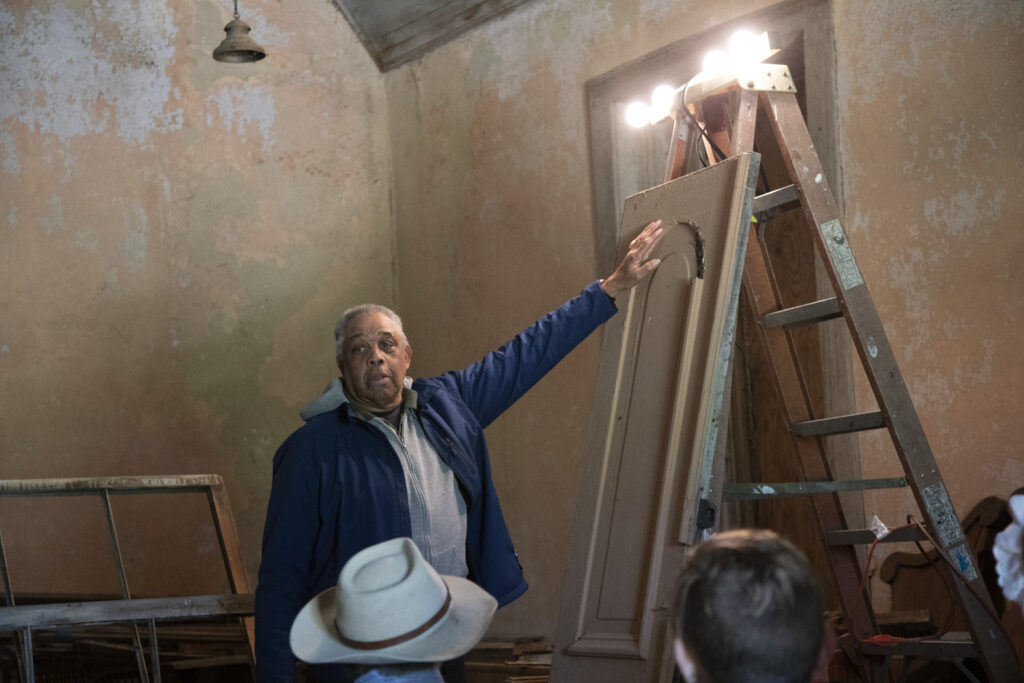
After visiting the 1819 Goose Creek Meeting House—across the road from the 1765 Goose Creek stone meeting house—the 5th graders went on to see the village’s two African American churches—the 1884 Mt. Olive Baptist Church and the 1885 Grace Methodist Episcopal Church. Grace is under restoration with Jeffrey Jackson, a former teacher, managing the project. The work includes the church basement where local Quakers taught sewing, cooking, and shoe repair.
Renee Voce and Paula Dillon, the Lincoln Elementary’s librarian, are now busy transforming the 5th graders’ field trip content into a Thinglink experience. The software program can add hotspots to images, videos, 360/VR and 3D models, and combine them into an engaging scenario. Interactivity on visual media radically improves engagement and learning performance for all age groups, so the Lincoln 5th Graders’ Field Trip should live long beyond the students’ four-hour outing.
As Renee Voce says, “Anyone, any other teacher or administrator in the County who wants to teach and share this part of our history could just go grab a link for it on our school website.”
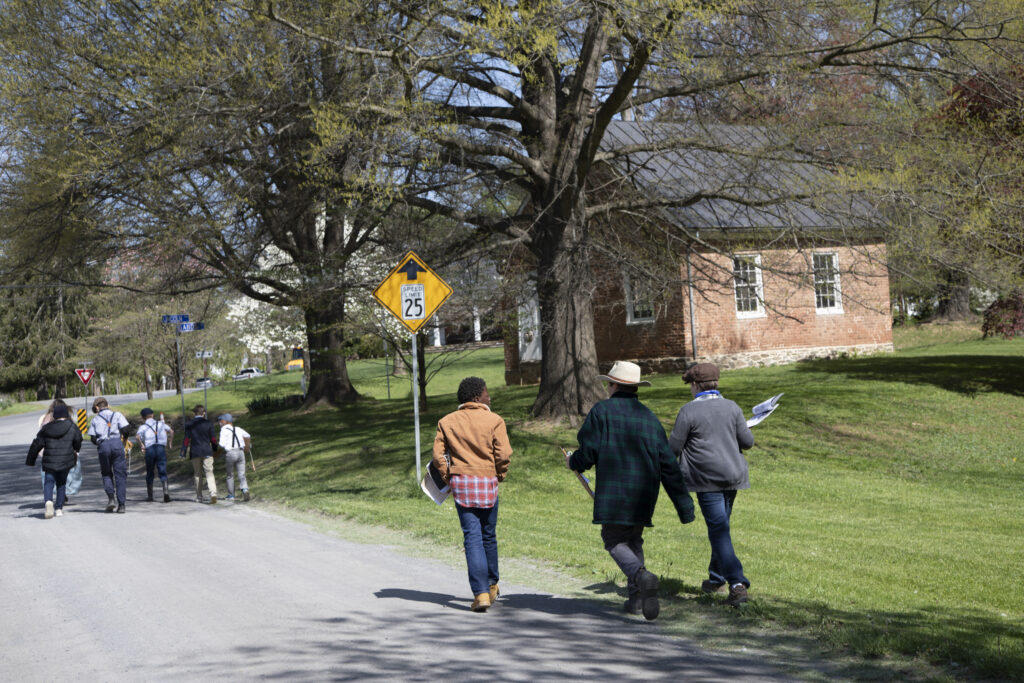


Continue reading in this news section
Comments
Any name-calling and profanity will be taken off. The webmaster reserves the right to remove any offensive posts.