

Just Like Nothing (else) on Earth: Dulles Smithsonian Air & Space Museum, Again!
By Tim Jon
“This must be what a kid in a free candy supply house feels like,” I thought to myself as I explored one of my favorite places on Planet Earth during a belated reunion tour. Or better.
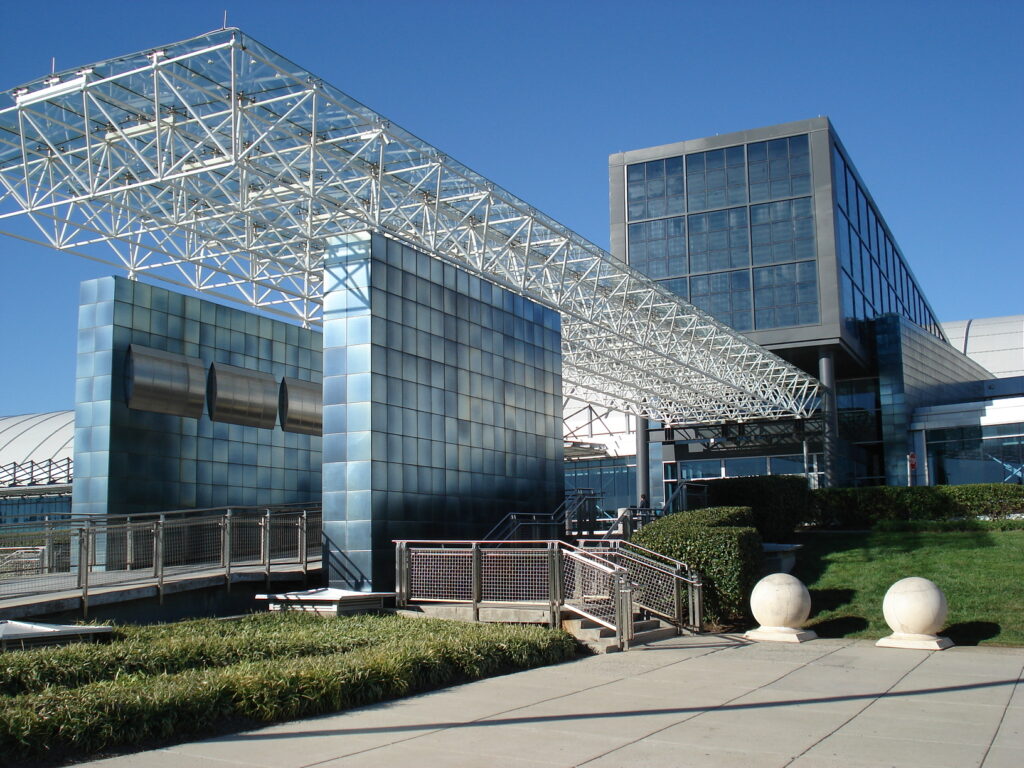
You see, I’d long and carefully monitored the progress of the Dulles Air & Space Museum— officially called the Steven F Udvar-Hazy Center (when you fork over 60-some million dollars to support the project they tend to remember your name), since the days of its planning stages, past the groundbreaking ceremony, through the ambitious construction phases, and over the course of its three-day grand opening in December of 2003.
My coverage of the impossibly-impressive facility included standing along a Dulles Airport runway as the supersonic Air France Concorde came in and made its landing for placement in the Museum, as well as holding a similar spot when the Boeing Strato-liner (pretty much the commercial counterpart to the B-17, and from a similar, bygone era) came in—all bright, shiny and silver—which would catch the attention of actor John Travolta (you see, I had to ask him kid stuff during a subsequent interview, like what his favorite plane was), and the pinnacle (for me): standing just outside the giant rear ‘garage doors’ of the Museum, to watch as the star of the ‘show’—the Mach 3, Lockheed SR-71—was carefully wheeled up to the access point and given the once-and twice-over by everyone lucky enough to be on hand for the occasion.
Heck. I remember taking my first gander at the Space Shuttle Enterprise as it sat in a metal shed on a Dulles Airport backlot. Yup, I didn’t earn much money in those days, as News Director for AM 1200 Wage Radio in Leesburg, “Your Sound Choice in Loudoun County,” but I more than made up for it in experiences like these.
But that was all roughly 20 years ago. Now, I deliver mail in Purcellville, which pays a lot better, but takes a great deal of time, energy and attention. So, when they turn me loose, I explore, and I owed myself a return to the Steven F Udvar-Hazy Center.
I visited on a bright, crisp autumn morning, and other than a couple of busloads of students, I felt like I had the whole museum to myself. Walking around my impressive old friend, the Blackbird (which I used to affectionately describe as a giant ice pick designed by Salvador Dali), I had the sense I was on the front porch of an old homestead at a family reunion.
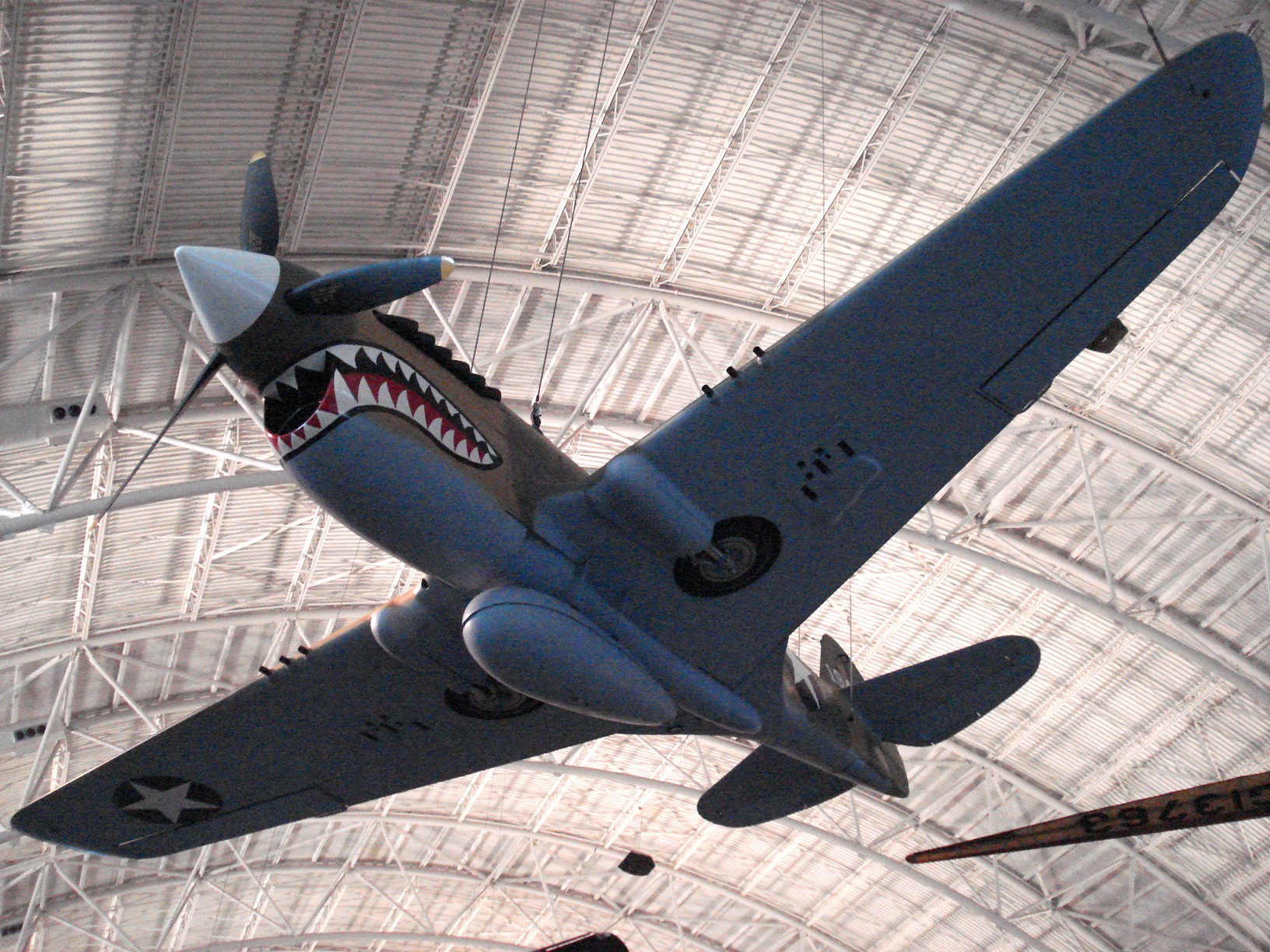
I enjoyed reliving fond memories of getting to know the late Don Lopez, a World War Two Flying Tiger pilot, who became an ‘ace’ in that conflict and later applied himself enough to help design rockets for the Apollo program. That’s his P-40 hanging from the ceiling of the Museum, with “Lope’s Hope” stenciled on the side.
I also remembered, a bit sentimentally, I’ll admit—the salute to service veterans at the facility, back during the openings in 2003, which I attended with my parents—as my dad had been through the second world war as an ordinance specialist aboard a PBY Catalina based on Guam.
So yes, after all these years and their varied experiences, I spent much of that more recent morning reminiscing with past times; I also made some new acquaintances: the Navy’s Blue Angel (a McDonnell Douglas F-18) and Grumman F-14 Tomcat, as well as the formidable F-35 Joint Strike Fighter. And many, many more.
Now, fortunately for my equilibrium and this story, I remained on the Museum’s ground level for most of my visit: my ascendance to the upper walkways later in the morning set off bouts of vertigo that left me grasping for the handrails and daring myself to inch just close enough to the edge in order to get some clear shots from these different perspectives.
I felt at the time, that it had taken as much bravery for me to scale these mild heights and cross those walkways, as it had for the pilots to operate the aircraft among which I was painstakingly passing. I later surmised that I must have presented as interesting an attraction (and much more humorous) as the myriad objects so carefully placed in the Museum.
And, as I drove home after my rapid-fire photo session (I captured over 200 eye-catching images in just over an hour), I was again reminded that—as incredible as these pieces of human ingenuity and technology are—it’s the human connection, the personal stories and experiences that hold my attention and the precious places in my memory system.
I would be quite proud to play a small part in some of those reminiscences connected to the Dulles Smithsonian, after my earthly time has expired. Yup, I’ll be that kid in the candy supply house.
Comments
Any name-calling and profanity will be taken off. The webmaster reserves the right to remove any offensive posts.