



Virginia General Assembly session starts Jan. 10
By Audrey Carpenter
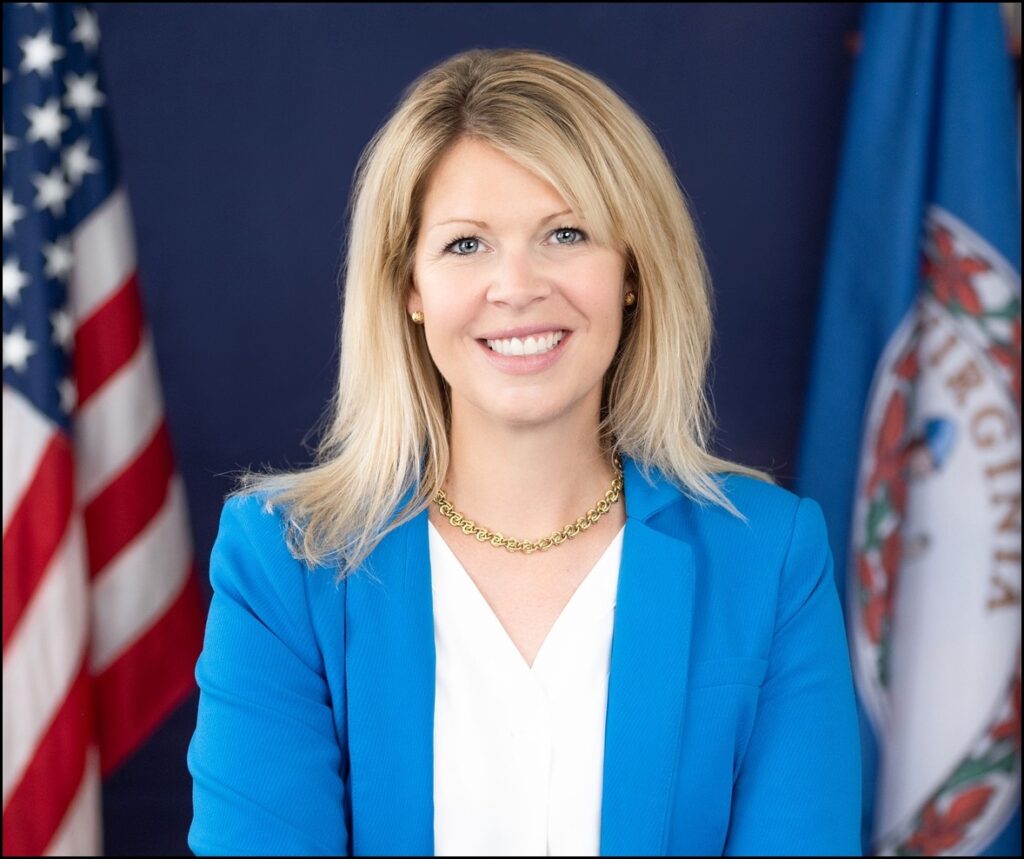
Loudoun County will be sending three brand new legislators to Richmond to begin working on the people’s business Jan. 10.
State Senator-elect Russett Perry (D) will represent the 31st Senate district that was created as part of the redistricting efforts of the Virginia General Assembly in 2021. It includes portions of both Loudoun and Fauquier counties. Before being elected, Perry was a Loudoun County prosecutor in the Commonwealth Attorney’s Office and a former CIA officer.
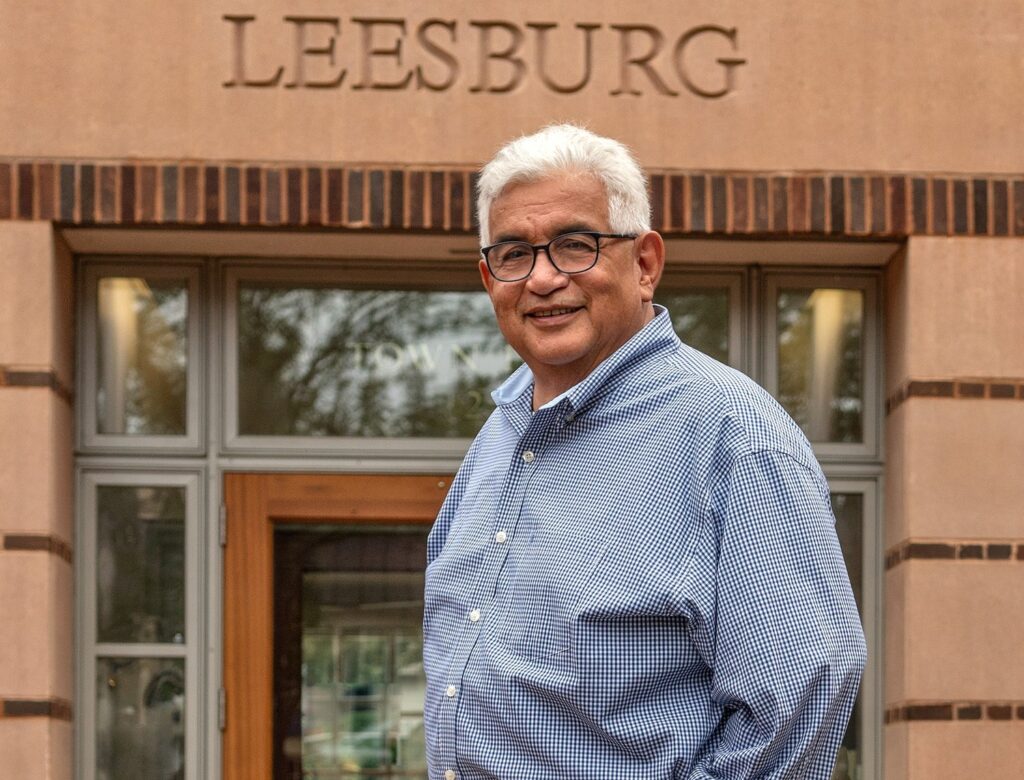
Delegate-elect Fernando “Marty” Martinez (D) will represent Virginia’s newly created 29th House District. Before being elected, Martinez was a Leesburg Town Council member from 2002 to 2022.
Delegate-elect Geary Higgins (R) will represent newly created Dist. 30 in the House of Delegates. Higgins served on the Loudoun County Board of Supervisors for eight years and the Loudoun County School Board for four years.
Perry, Martinez and Higgins will step into the 2024 General Assembly poised to tackle a number of Northern Virginia issues from the start. Lawmakers will consider legislation on a massive Metro transit budget shortfall, a proposed deal to bring the Washington Wizards and Capitals to Alexandria, and efforts to better regulate the exploding data center industry.
A primary focus of the session will be deliberations over the Gov. Glenn Youngkin’s proposed two-year budget, which was released last month. The General Assembly must pass the budget in time for the July 1 fiscal year.

Youngkin’s budget plan would reduce personal income taxes by 12% and increase in sales tax from 4.3% to 5.2%. The proposal also expands the sales tax to apply to digital purchases like streaming services, data storage, and downloads. It would also slightly raise the state’s earned income tax credit refund, which would benefit lower-income Virginians. Over the two-year budget period, the state would lose about $1 billion in tax revenue.
Metro is facing a major budget deficit of $750 million that could force it into dramatic service cuts, including the closure of 10 stations and the elimination of close to half of all Metrobus routes. The Blue Ridge Leader reported on this in mid-December here: https://blueridgeleader.com/silver-line-operation-could-be-impacted-by-budget-shortfall/
Metro leadership is asking for $180 million from Virginia, a more than 50% increase over recent annual subsidy levels. By law, Virginia and Maryland cap the annual increases to their Metro subsidies at 3%, a hurdle lawmakers will have to overcome through legislative or administrative means. A decision will need to be made by April, when the Metro Board passes its own budget which could include service cuts.
Youngkin’s proposed budget includes no new increases for Metro and the governor has stated he does not believe Metro has a viable business plan and would like to see one before discussion on additional funding.
Data centers continue to be highly controversial in Northern Virginia, especially electric demand which is expected to double by 2038 according to PJM Interconnections, the grid operator for the Mid-Atlantic. To date, local jurisdictions have made decisions on how many data centers to build and where. But activists have put pressure on lawmakers to step in and regulate growth, environmental and historic impacts, rate payer costs, and energy demand.
The Joint Legislative Audit & Review Commission (JLARC) announced Dec. 11th that it is undertaking a study of the data center industry’s impact across Virginia. JLARC conducts program evaluation, policy analysis, and oversight of state agencies on behalf of the Virginia General Assembly. More information is here: https://jlarc.virginia.gov/pdfs/resolutions/2024_Data%20centers_JLARC.pdf
The new legislators will have offices in the Virginia General Assembly’s new legislative building which opened in October 2023. The new building replaces the old Assembly building built in 1976. The new building has much more spacious committee rooms and open areas for the public, plentiful elevators, eating areas, media area, press briefing room, and screens in the hallways to watch proceedings. The old building had outdated electrical and air ventilation systems and asbestos problems and water leaks.
The new Assembly building took six years to build and was part of a $300 million construction project which included the building of a new employee parking garage and restoration of the Old City Hall. There will also be a tunnel built from the Assembly building to the Capitol. The new Assembly building will house all 140 lawmakers.

Comments
Any name-calling and profanity will be taken off. The webmaster reserves the right to remove any offensive posts.

I hope our new representatives will consider working on State Statute 19.2-389. Why is this important? Too many people have stopped trusting our judicial system. How can any person accept a lifetime of being blocked from getting a good job just because the “CHARGE” they were found innocent of is still on record easily found by any employer? This expungement statute is supposed to protect citizens from such lifetime impediments when no conviction occurred from the charge yet this is NOT HAPPENING! After almost 40 years of practicing law I am embarrassed by a judicial system that doesn’t automatically expunge charges that DID NOT LEAD TO A CONVICTION! Police and other investigatory agencies still have access to all data but why should ANY citizen have such damage to their future when they were literally INNOCENT of the charge. Let’s get something done that motivates our citizens to reach for the stars instead of hating the system that hold them back unfairly!